Japanese Soaking Tubs in Malaysian Homes: A Practical Guide
Japanese soaking tubs give a deep, seated bath in a small footprint. Here is how they differ from a standard bathtub and what to plan in a Malaysian home.
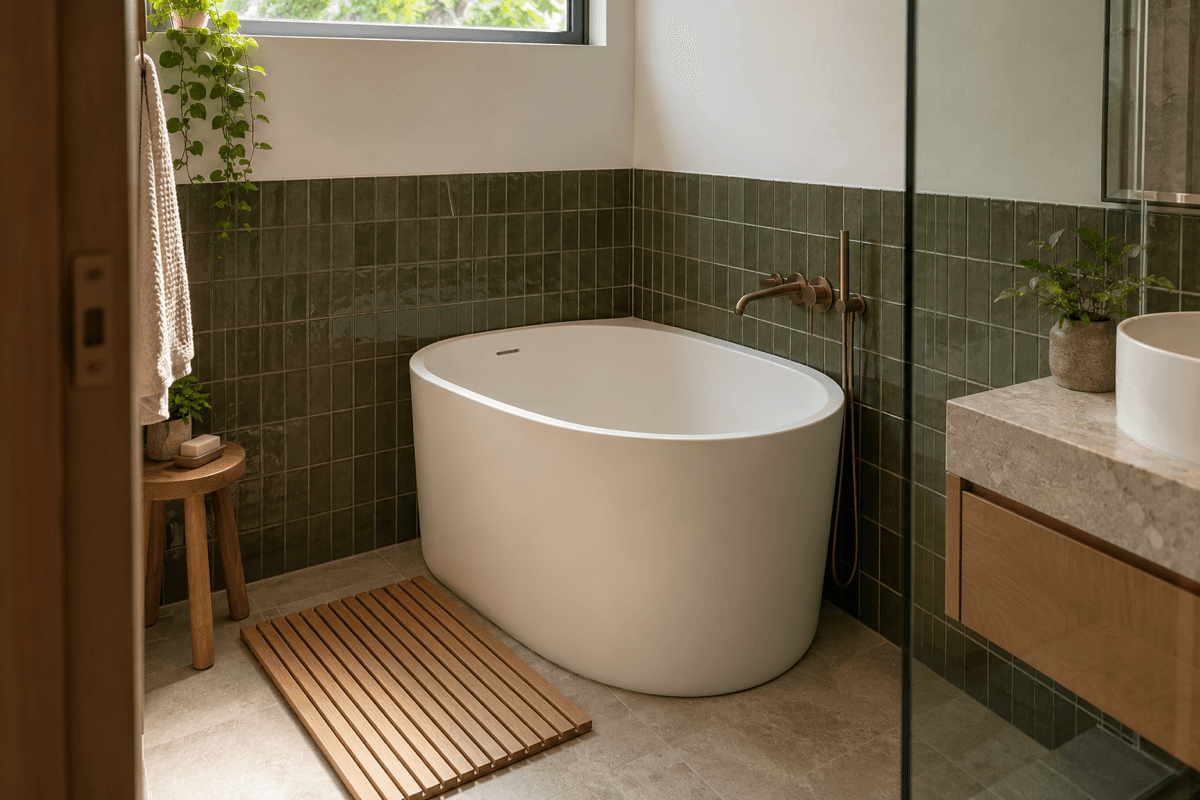
What a Japanese soaking tub is
A Japanese-style soaking tub is built for one thing: sitting in hot water up to your shoulders. Instead of lying back in a long, shallow bath, you sit upright in a shorter, deeper basin and let the heat do its work.
In Japan the bath is usually taken after you have already washed and rinsed, so the water stays clean and the soak becomes a slow, quiet end to the day. That idea travels well. More Malaysian homeowners now ask for a soaking tub because it gives a proper bath in a footprint that would never fit a full-length tub.
This guide covers how a soaking tub differs from a standard bathtub, whether it suits our climate and bathrooms, and what to plan before you order one.
How it differs from a standard bathtub
The difference is mostly about posture. A standard bathtub is designed for reclining. A Japanese bathtub is designed for sitting, which changes its depth, its length and how you use it.
Depth over length
Soaking tubs are noticeably deeper than most built-in bathtubs. Many standard built-in tubs are around 1.5–1.7 m long with a fairly shallow water line, while a soaking tub is often much shorter but deep enough to cover the shoulders when seated. Exact dimensions vary by design, so always check the interior depth, not only the outside height.
A seated position
Some soaking tubs include a moulded seat or step. Others are a simple deep basin where you sit on the floor of the tub with knees bent. Try to picture the person who will use it most. A tall bather may prefer a slightly longer tub; an older family member may want a seat and a lower step-in height.
The rinse-first habit
Because the tub is for soaking rather than washing, you will want a shower point beside it. In Japanese bathrooms the whole room is often a wet area, with a hand shower and a small stool next to the tub. You do not need to copy this exactly, but plan where people will rinse before they get in.
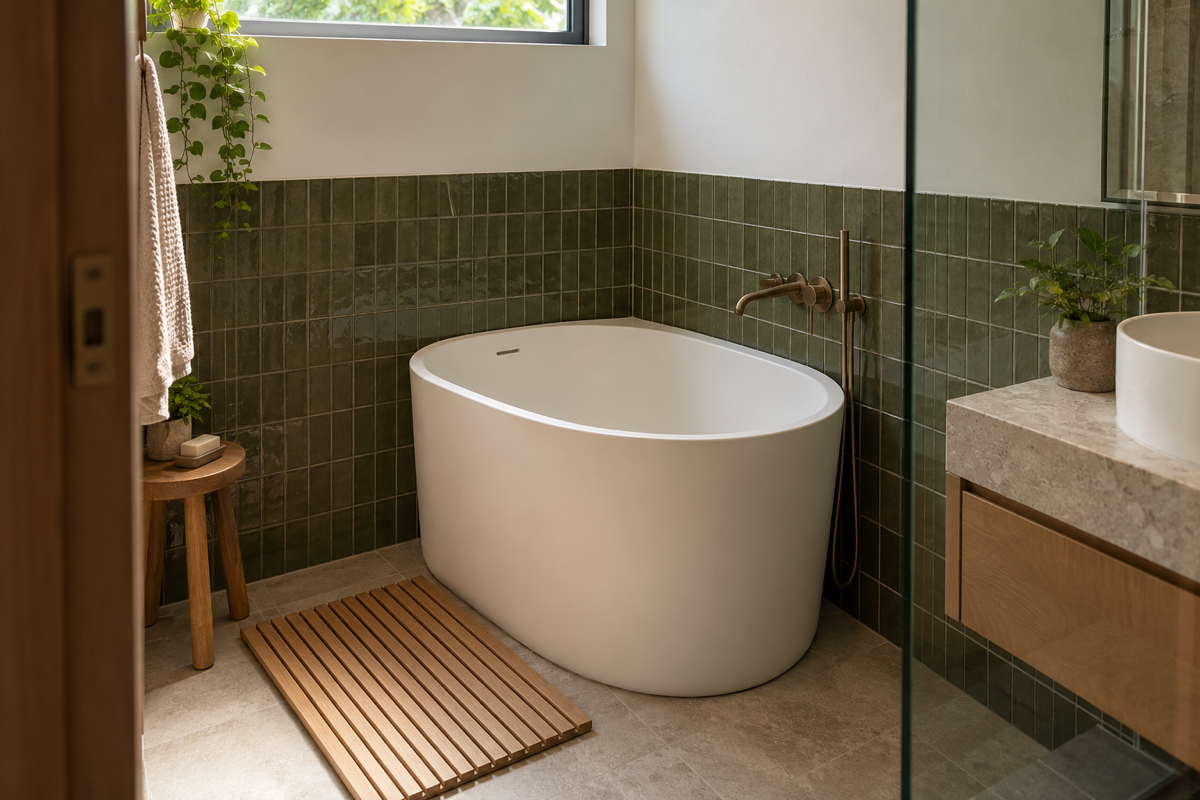
Does a soaking tub suit a Malaysian home?
For many homes, yes. The compact footprint is the main reason. But our heat, humidity and hot water set-ups are different from Japan, so a few points deserve attention.
Small bathrooms and condos
Condo and terrace bathrooms are often too short for a long bathtub. A soaking tub can sit in a corner or at the end of a shower area where a 1.5 m tub would block the door. If space is tight, our guide to bathtubs for small bathrooms compares compact, short and corner options side by side.
Humidity and ventilation
A deep tub holds more hot water and releases more steam. In a Malaysian bathroom with a small window or none at all, that moisture lingers. A good exhaust fan, a window you can open and surfaces that dry quickly will keep mould away from grout and ceiling corners.
Hot water supply
Most Malaysian homes use instant water heaters, which are made for showers rather than filling a deep tub. A soaking tub needs a fair volume of warm water, so check whether your heater can keep up, or whether a storage heater makes more sense. In our climate, many people also enjoy a warm rather than very hot soak, which eases the load.
Materials, shapes and finishes
Traditional Japanese tubs were made of fragrant timber. Today most soaking tubs are made from easier-care materials that suit tropical bathrooms better.
Acrylic and stone resin
An acrylic bathtub is light, warm to the touch and simple to move into an upstairs room. A stone bathtub made from stone resin is heavier and holds heat well, with a matte, solid feel. Both clean easily. Our bathtub materials guide explains the trade-offs in more detail.
The timber look
Solid timber tubs need steady care and do not enjoy long dry spells followed by soaking, which can happen in a holiday home. If you love the warmth of wood, consider a stone-look or neutral tub and bring timber in through a bath mat, a stool or a teak caddy tray instead.
Round, oval or square
Round and oval soaking tubs feel soft and suit freestanding placement in the middle of a room. Square and rectangular tubs line up neatly against walls and work well as a built-in. Browse our bathtub collections to see how each shape sits in a real room.
Planning the installation
A soaking tub is small, but it holds a lot of water in a small area. Plan the floor, drainage and tap together before you commit.
Floor and structure
A full deep tub with a person in it concentrates weight on a small footprint. On ground floors this is rarely a concern. On upper floors of older houses, it is worth asking a contractor to look at the slab before you choose a heavy stone tub.
Drainage and wet area
Check where the floor trap sits and whether the waste outlet of the tub can reach it. If you like the Japanese wet-room layout, the floor must be waterproofed and sloped so splashes run to the drain. Our installation preparation guide lists water points, floor traps and tiling to sort out first.
Choosing a tap
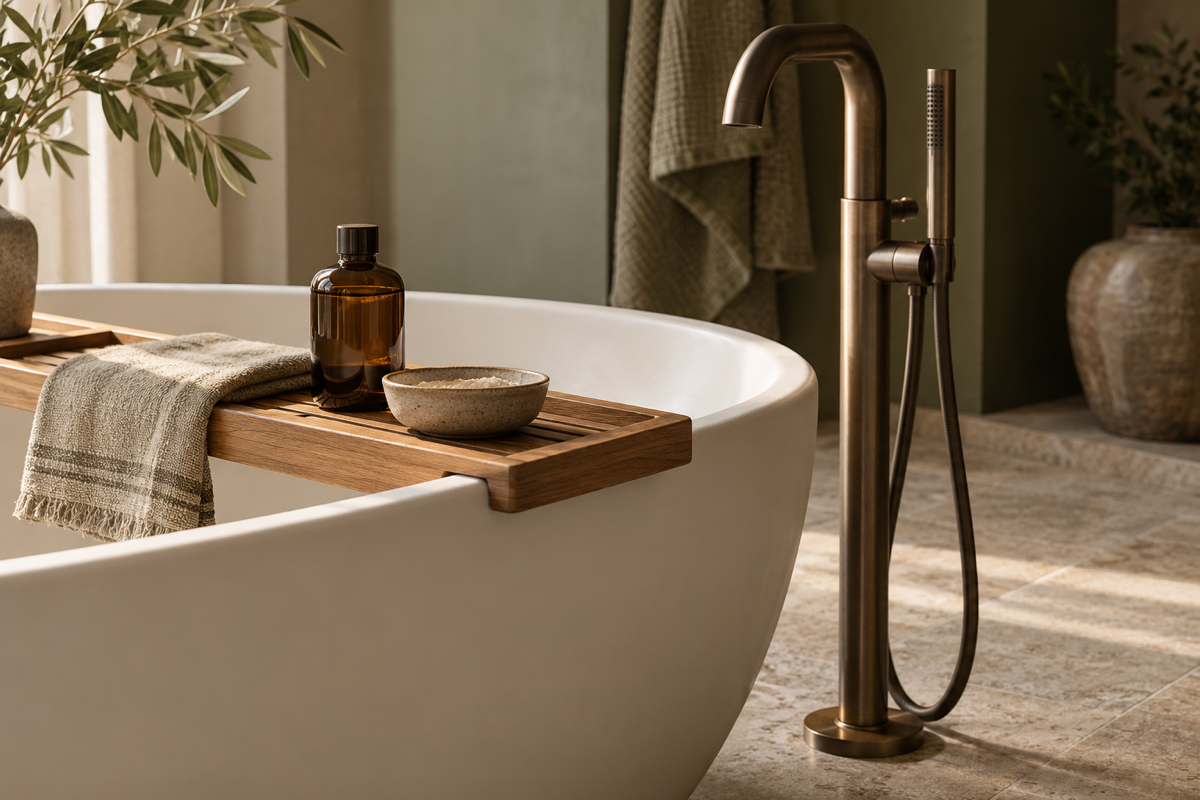
A deep tub fills faster with a generous spout. A floor-standing mixer suits a freestanding soaking tub; a wall mixer suits a built-in one. Think about filling time as much as looks.
Getting it into the room
Soaking tubs are usually easier to carry in than long tubs, but measure lift doors, corridors and the bathroom door anyway. Use our measuring guide before you send dimensions.
Send us your measurements
A Japanese soaking tub can turn a small bathroom into the calmest room in the house. The right one depends on your floor area, your water heater and how you like to sit.
Measure the space where the tub will go, take a few photos of the bathroom and the route in, and send them to us on WhatsApp. We deliver nationwide, from Kuala Lumpur and George Town to Kuching, and we will confirm delivery and installation details for your address. You can also read how delivery works before you message.