Bathtub Materials Guide: Acrylic, Stone Resin, Steel or Cast Iron
Acrylic, stone resin, enamelled steel or cast iron? How each bathtub material compares on weight, warmth, surface and care in a Malaysian home.
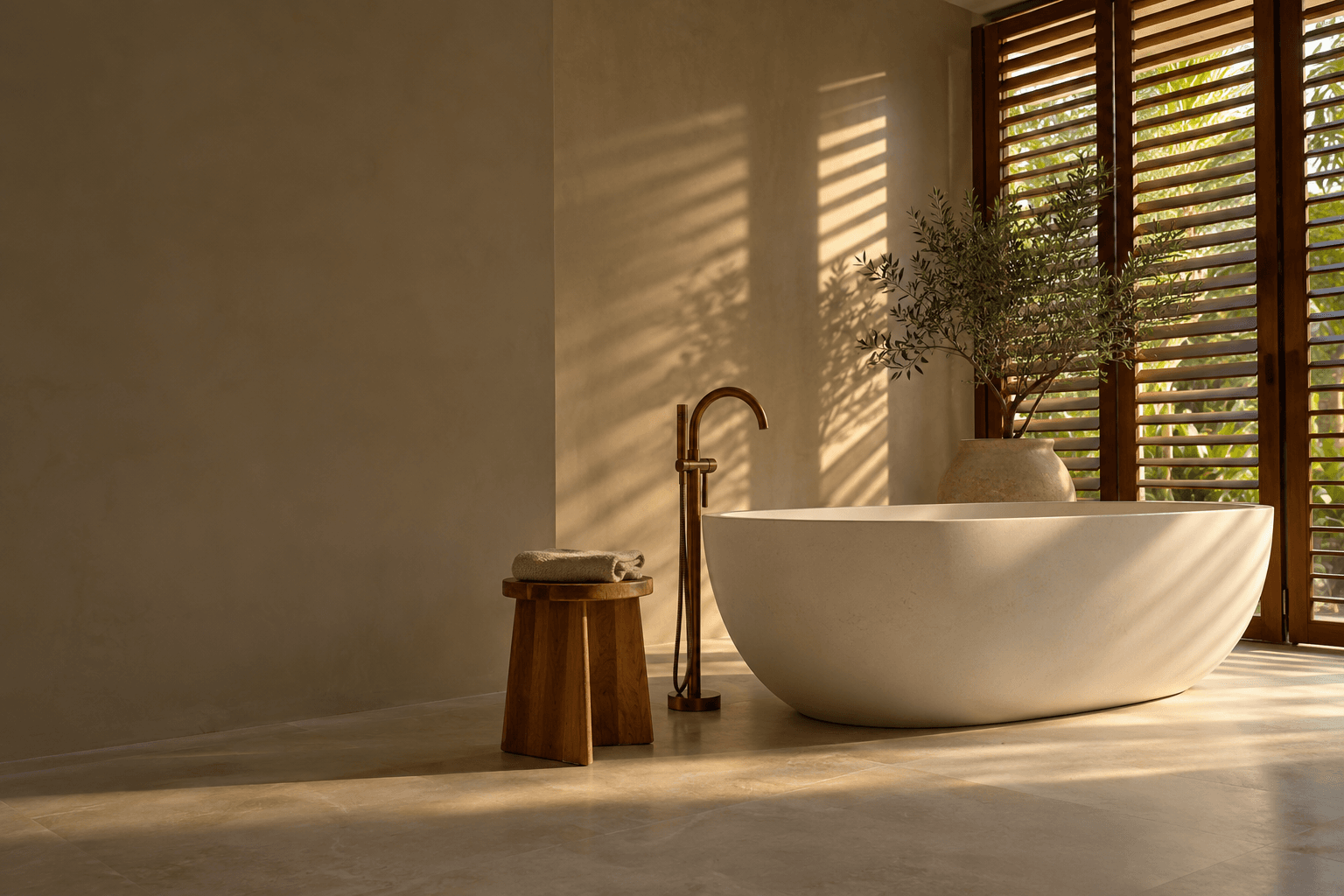
Why bathtub material matters
Two bathtubs can share the same shape and size yet feel completely different. The material decides how heavy the tub is, how warm the water stays, how the surface feels against your skin and how it ages over the years.
It also shapes practical questions. Can your floor take the weight? Will it fit in the lift? How much care will it need in a humid Malaysian bathroom?
This guide covers the four materials you will meet most often: acrylic, stone resin, enamelled steel and cast iron. None is best for every home. The right one depends on your room, your floor and how you like to bathe.
Acrylic bathtubs
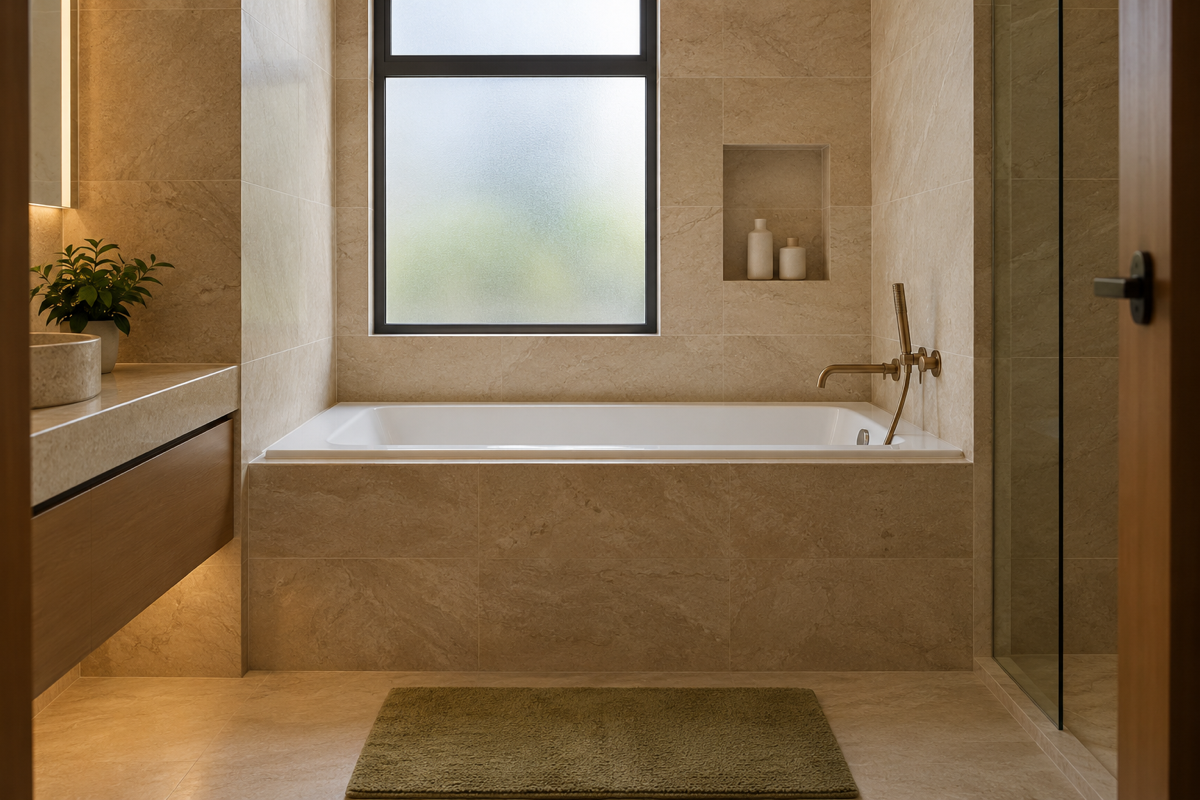
Acrylic is the most common bathtub material in Malaysian homes. Sheets of acrylic are heated and formed into shape, then usually reinforced underneath for strength.
Strengths of an acrylic bathtub
- Light: acrylic is typically the lightest option, which helps with delivery to upper floors and with floor loading.
- Warm to the touch: the surface does not feel cold when you step in, and it holds heat reasonably well.
- Many shapes: because it is moulded, acrylic comes in built-in, freestanding, corner and compact forms.
Limits to keep in mind
Acrylic can scratch more easily than harder materials, so avoid abrasive pads and harsh powders. Light surface marks can often be polished out. A well-supported acrylic tub feels solid, so check how the base and frame are reinforced.
Stone resin bathtubs
Stone resin, sometimes called solid surface or cast stone, is made by mixing crushed natural mineral with resin and casting it in a mould. The result is a dense, smooth bathtub with a soft matte or satin finish.
The feel of a stone bathtub
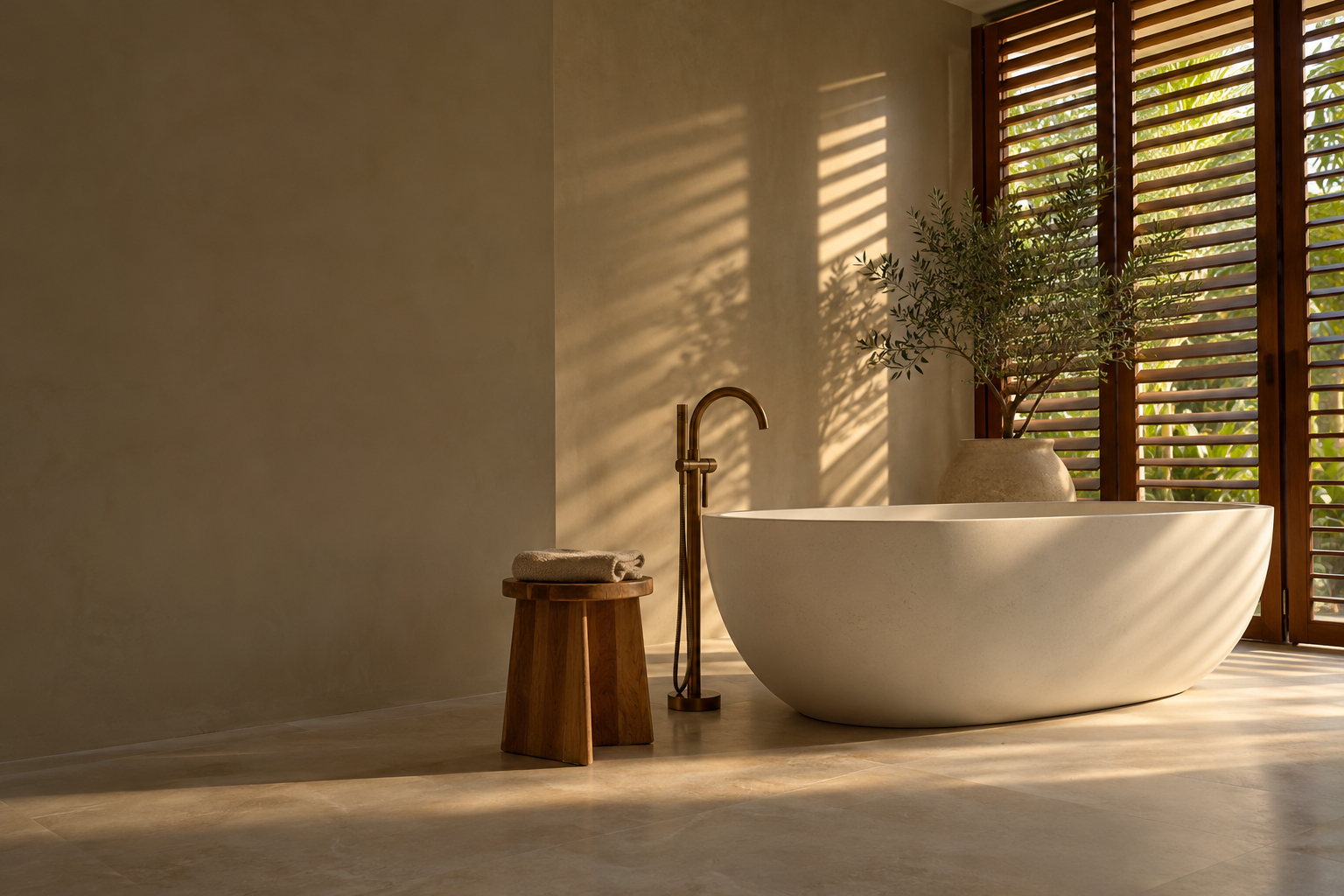
A stone bathtub has a calm, sculptural look that suits freestanding designs. The walls are thick, so the tub feels substantial and tends to keep water warm for a long soak. The matte finish also hides water spots better than glossy surfaces.
Weight and care
Stone resin is considerably heavier than acrylic. Plan the delivery route and check that the floor can carry a filled tub. Day to day, a soft cloth and mild cleaner are enough. Many stone resin surfaces can be lightly sanded and refreshed if they become dull or marked, but follow the care advice for the specific tub.
Enamelled steel bathtubs
Steel bathtubs are pressed from sheet steel and coated with a vitreous enamel, a glass-like layer fired onto the metal.
What steel does well
The enamel surface is hard and glossy, so it resists scratches and is simple to wipe clean. Steel tubs are usually lighter than stone or cast iron, and they keep a crisp, thin edge that suits clean built-in designs.
Where steel is weaker
Thin steel walls lose heat faster than thicker materials, so the water cools sooner. A heavy object dropped on the rim can chip the enamel. Steel can also sound hollow when filling, which some tubs reduce with padding underneath.
Cast iron bathtubs
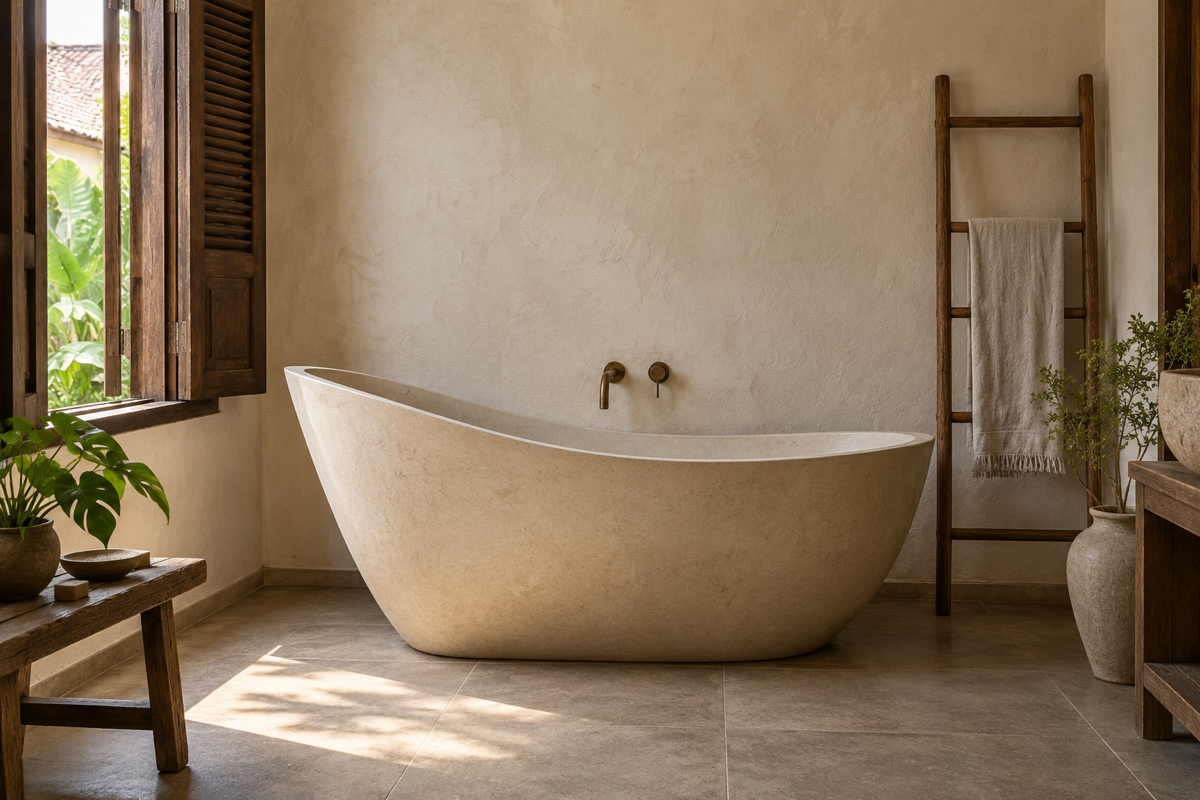
Cast iron tubs are poured as one heavy casting and finished with enamel. They are the traditional choice behind many classic clawfoot and slipper designs.
Why people choose cast iron
Cast iron is very durable, and the thick enamel finish stays glossy for a long time with care. Once the metal warms up, it holds heat well through a long bath. The look suits heritage homes and restored shophouses.
The practical cost of weight
Cast iron is usually the heaviest bathtub material by a wide margin. A cast iron tub may need several people to carry, and upper-floor or condo installations need careful planning for the lift, stairs and floor. The cold metal also draws heat from the first water poured in.
Comparing the materials side by side
The table below is a general guide. Individual tubs vary with wall thickness, design and finish.
| Material | Weight | Heat retention | Surface |
|---|---|---|---|
| Acrylic | Light | Good | Glossy, warm to touch, can scratch |
| Stone resin | Heavy | Very good | Matte or satin, can often be refreshed |
| Enamelled steel | Moderate | Fair | Hard gloss, can chip |
| Cast iron | Very heavy | Very good once warm | Hard gloss, very durable |
Weight, floors and access
For condos and upper floors, weight is often the deciding factor. Think about the empty tub on the way in and the filled tub once installed. Our delivery notes explain what we need to know about lifts, corridors and doors.
Price and what drives it
Material affects bathtub price, but so do size, wall thickness, finish and whether the tub is freestanding or built-in. A heavier tub may also need more effort to deliver and install. We confirm these per address rather than quoting a flat figure.
Climate and care
In humid bathrooms, all four materials perform well with good ventilation. Rinse and wipe the tub after use to keep soap film and water marks from building up, and use the cleaner suited to the surface.
Ask us which material suits your bathroom
The best material is the one your floor, access route and bathing habits can live with. Start with the collections or the bathtub finder, and read the size guide before you measure.
Then send your measurements and bathroom photos on WhatsApp. We will suggest suitable materials and confirm delivery and installation for your address, whether you are in Kuala Lumpur, Ipoh or Kota Kinabalu.